
 Email: sales@slxytech.com
 WhatsApp / Wechat:8617062388866
 Phone:+86 17062388866
Description
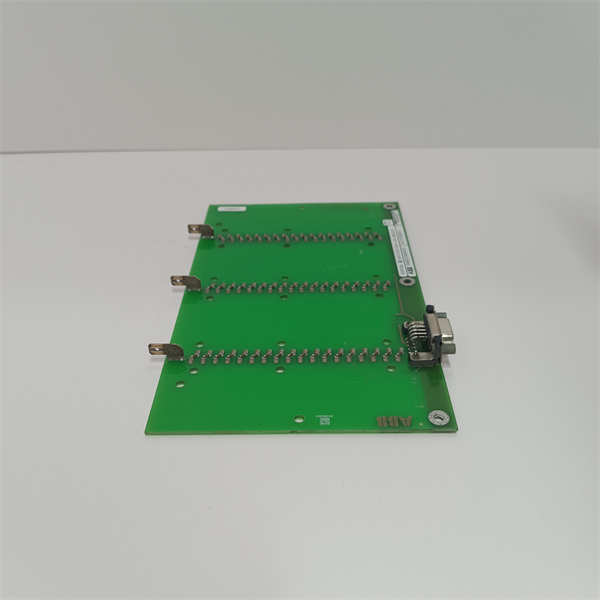
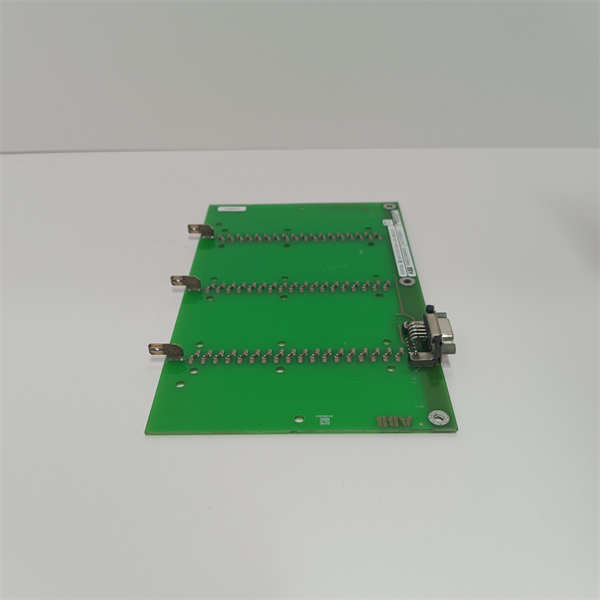
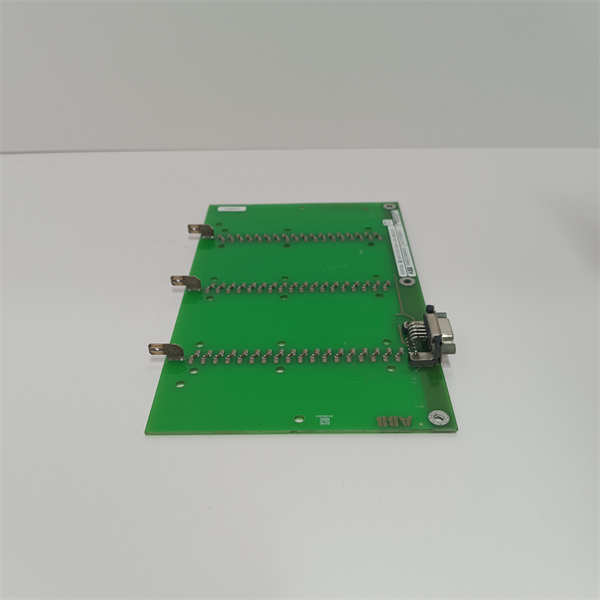
ABB XVC770BE101 3BHE021083R0101 The control unit is a high-performance module specifically designed for industrial automation systems. This control unit integrates advanced power management and automation technologies, capable of monitoring and adjusting the operational status of industrial control systems in real time, ensuring the efficient and stable operation of various equipment. With its high efficiency and intelligent algorithms, this module can be widely applied in industries such as power, manufacturing, and chemical engineering, improving production efficiency, reducing energy consumption, and ensuring long-term system reliability.
Product Detailed Introduction
ABB XVC770BE101 3BHE021083R0101 The control unit uses high-precision electronic components and intelligent control algorithms, capable of comprehensive control and optimization of the power systems, mechanical equipment, and communication modules in industrial automation systems. Its modular design provides flexible expansion capabilities, allowing customized installation and configuration according to actual needs.
This module has powerful communication capabilities, supporting various mainstream communication protocols such as Modbus, CAN, Ethernet, etc., and can seamlessly interface with devices of different brands and models, providing a unified control platform. In addition, its embedded fault diagnosis system and intelligent early warning functions can quickly send alerts when a fault occurs and provide detailed fault analysis, helping users take timely actions to prevent equipment damage.
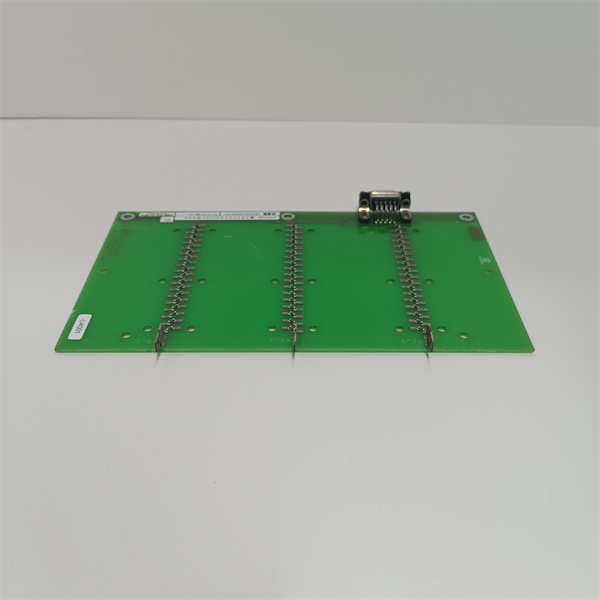
ABB XVC770BE101 3BHE021083R0101
Core Features and Advantages
? High-efficiency power regulation:
Improve energy utilization and reduce energy consumption through precise power regulation algorithms.
? Intelligent Monitoring and Fault Diagnosis:
Equipped with real-time data collection, equipment monitoring, and fault diagnosis functions to ensure the efficient and stable operation of the system.
? Multi-protocol support:
Supports multiple communication protocols such as Modbus, CAN, and Ethernet, widely compatible with various automation devices.
? Modular design:
A flexible modular structure that can meet the needs of different application scenarios, supporting expansion and customization.
? High reliability and stability:
Uses industrial-grade components, with extremely high reliability, suitable for long-term operation in various complex environments.
Technical specifications
| Parameter Name | Parameter Value |
|---|---|
| Product Model | XVC770BE101 3BHE021083R0101 |
| Brand | ABB |
| Module Type | Automation Control and Power Regulation Module |
| Input Voltage | 24V DC (control terminal)|
| Input Signal | Analog signals (voltage/current), digital signals (switching signals) |
| Output Signal | Analog output, digital output, control signal|
| Communication Interface | Modbus, CAN, Ethernet, etc.|
| Support Agreement | IEC 61850、Modbus RTU、CANopen |
| Ambient Temperature | -20°C ~ +60°C |
| Storage Temperature | -40°C ~ +85°C |
| Relative Humidity | 5% ~ 95% (non-condensing)|
| Certification Standards | CE、RoHS、UL |
| Protection Level | IP20 |
| Size | 180mm x 150mm x 25mm |
| Weight | 0.75kg |
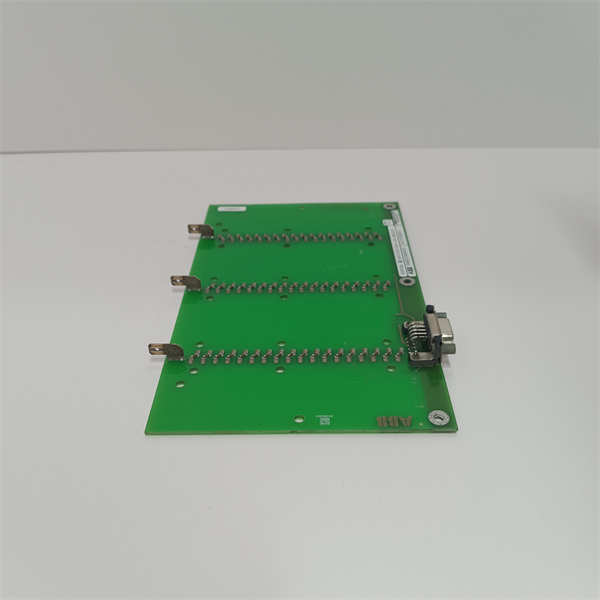
ABB XVC770BE101 3BHE021083R0101
Examples of application scenarios
ABB XVC770BE101 3BHE021083R0101 Typical application scenarios include:
-
⚡ Industrial Automation: Used for real-time monitoring and control of industrial production processes, enhancing the level of automation.
-
? Power Management SystemOptimize power transmission and distribution, improve energy efficiency and system stability.
-
? Large-scale building facilities: Centrally control the electrical and automation equipment within the building to improve management efficiency.
-
?️ Intelligent Manufacturing: Provide precise control and adjustment in smart factories to ensure a smooth production process.
-
? Energy and Environmental Protection: Applied in energy monitoring and optimization in the environmental protection industry, helping green production.
Recommended models
| Model | Explanation |
|---|---|
| XVC770BE102 | Higher performance automated control unit, suitable for high-load systems |
| XVC760BE101 | Core modules for intelligent manufacturing and automation control |
| XVC770BE100 | Optimize power management and automation control, suitable for the power industry |
| XVC740BE01 | High-efficiency power regulation module, suitable for power management systems |
| PPC907BE | Power Control and Automation Module for Complex Systems |
Installation and Maintenance Recommendations
✅ Installation Recommendations:
-
Ensure that the equipment is installed in a dry, well-ventilated environment and avoid electromagnetic interference;
-
Ensure that the power supply voltage meets the specification requirements and make the correct wiring to avoid poor contact or short circuits.
-
When installing the equipment, pay attention to compatibility with other automation devices to avoid protocol conflicts.
?️ Maintenance recommendations:
-
Regularly check the operating status of the equipment, conduct performance tests, and ensure its stability;
-
Clean the equipment once every quarter to ensure the good condition of wiring ports and contact points;
-
When a malfunction occurs, quickly locate the problem through the diagnostic function to prevent equipment damage;
-
Regularly perform firmware upgrades to ensure that the device can support the latest features and protocols.